
Money Works When Habits Do
Most people don't fail at investing because they lack knowledge. They fail because their daily decisions haven't caught up with their financial goals. We teach the patterns that actually stick.
Explore Our Approach
The Coffee Problem
Someone once told me they couldn't invest because they spent too much on coffee. That wasn't actually their problem. Their problem was believing money management meant deprivation instead of redirection.
We started tracking not just where money went, but when decisions happened. Turned out most financial choices got made in three-minute windows—standing in line, scrolling through sales, or saying yes to plans without checking the balance first.
When we focused on those moments instead of monthly budgets, something shifted. People started seeing their money differently. Not as something to control, but as something that responded to small, repeated patterns.
What Actually Changes Behavior
After working with hundreds of people trying to build better financial habits, we noticed the ones who succeeded rarely followed conventional advice. Here's what worked instead.
Decision Architecture
The shape of your choices matters more than willpower. We redesign how options appear so the better decision becomes the easier one. This means fewer internal battles and more automatic wins.
Friction Points
Bad habits thrive on convenience. Good ones need it too. We identify exactly where resistance shows up in your routine and remove it systematically—not through motivation, but through environmental tweaks.
Feedback Loops
Most people don't see results until it's too late to adjust. We build in immediate signals that show whether you're on track, creating course corrections before small mistakes compound into big ones.

Learning That Feels Like Living
Our programs don't simulate real financial decisions—they use them. You'll work with actual market data, real budget constraints, and the kind of messy variables that show up when money meets daily life.
We run scenarios where you have to choose between competing priorities with incomplete information. Where emotional reactions matter as much as calculations. Where the "right" answer depends on values you might not have examined before.
This isn't about memorizing formulas. It's about recognizing patterns, building judgment, and developing the kind of financial intuition that only comes from practice under realistic conditions.
See What's Starting in March 2026How Change Actually Happens
Financial transformation doesn't follow a straight line. Here's what the path typically looks like when someone commits to reshaping their money habits.
Weeks One Through Three
You'll notice things you've been doing on autopilot for years. This phase feels uncomfortable because awareness without solutions creates temporary tension. That's normal. We're mapping the territory before changing it.
Month Two
Small wins start accumulating. You'll catch yourself making different choices in moments that used to trigger old patterns. The changes won't feel dramatic yet, but your bank account will show early signals.
Months Three to Five
The interesting part. New habits begin competing with old defaults. Some days you'll nail it. Other days you'll revert. This isn't failure—it's the messy middle where lasting change gets built through repetition and adjustment.
Month Six and Beyond
Your financial decisions start feeling less like decisions. The mental effort drops because you've rewired the underlying patterns. This is when people usually realize they've developed a completely different relationship with money.
What People Say After Six Months

Jasper Coldwell
Started February 2025
I thought I needed more income to start investing. Turns out I needed better systems for the income I already had. The framework they taught made me realize how much money was slipping through gaps I didn't even know existed. Now I'm building something that compounds instead of just hoping things work out.
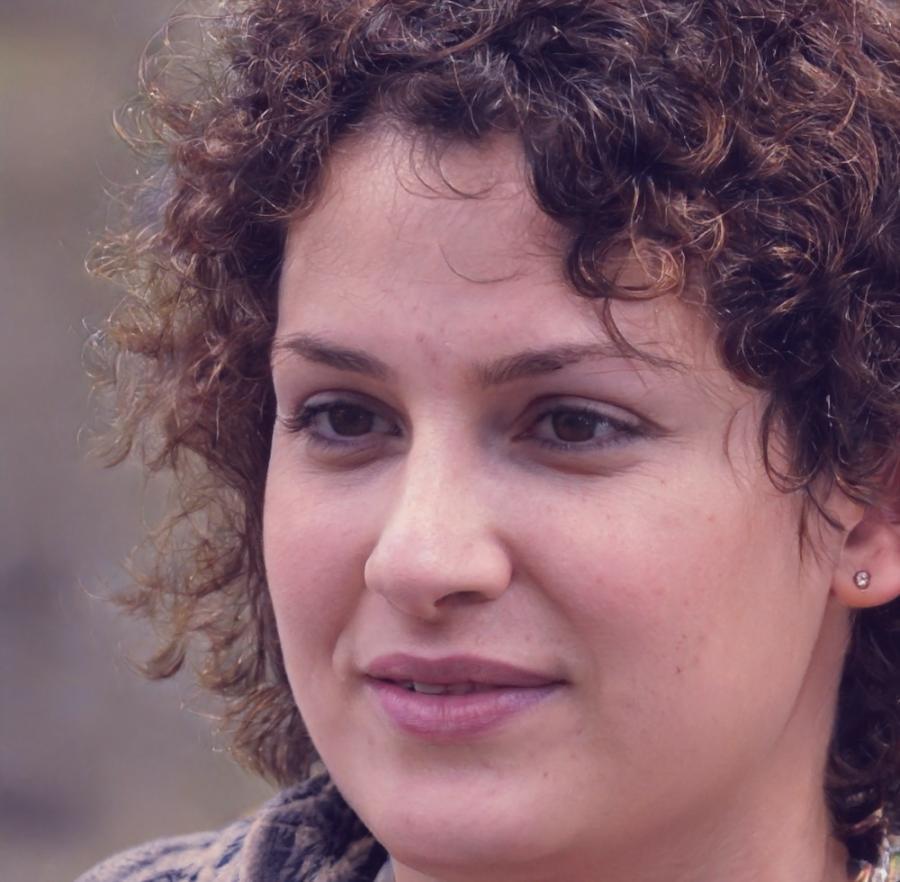
Linnea Bergstrom
Completed program in October 2025
The hardest part wasn't learning new concepts—it was unlearning the stories I'd been telling myself about money. This program forced me to confront patterns I'd been repeating since my twenties. Not comfortable, but necessary. Six months later I make completely different choices without thinking about it.
Build Systems That Outlast Motivation
Our next cohort begins in March 2026. We're working with a small group focused on transforming their financial habits through structured practice and environmental design. If you're tired of knowing what to do but not doing it consistently, this might be what shifts things.
Start a Conversation